Qi-Gong

shutterstock_1224367900.jpg

Qi Gong is an ancient Chinese wellness practice integrating physical movement, breathing techniques and focused intention.

As I sit down to write this blog post, focused on a healing practice originating from Ancient China, the irony does not escape me. And yet, doesn’t the emergence of COVID-19 make self-care even more important? Thus I’ve decided to leave the politics to politicians, and focus on what I am passionate about — helping people find greater balance, feel less stressed and build vitality, from the inside out.


Practicing Qi Gong is so simple and so powerful. You cannot do it wrong. You can only do it good, better or best.
— Chunyi Lin

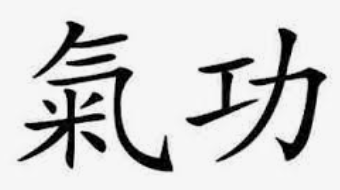
The term Qi Gong translates into “energy cultivation.” 

  • Qi, pronounced chee, is usually translated to mean the life force or vital energy that flows through all things in the universe (more about Qi). 

  • Gong, pronounced gung, means accomplishment or skill that is cultivated through steady practice with the intent of maintaining health and increasing vitality.

In terms of physiology, Qi is the electro-magnetic energy within the body that provides the power for movement and function on all levels ranging from cellular function to gross mechanical actions. Every living cell has an electrical charge on its membrane and within Qi Gong, our energy or Qi is activated through special movements and focused breathing.  
Screen Shot 2020-05-04 at 10.52.13 PM.png

Qi Gong practices can be classified as martial, medical or spiritual. All styles have three things in common: Posture, whether moving or stationary, breath and mental focus. Practice sequences vary, ranging from Qi circulation to cleansing and healing the body to Qi storage or emitting Qi to help heal others. At its core, Qi Gong falls is a multidimensional practice of slow gentle, rhythmic movements paired with specific breathing exercises and directed intention.

Within Traditional Chinese Medicine, Qi Gong is used first and foremost for prevention/health maintenance. Built upon the age-old legend that before modern medicine, Chinese physicians were only paid when the patient remained healthy – the Chinese fully embraced the idea that an ounce of prevention is worth a pound of cure. Can you imagine if our current “health care” system operated under such a powerful philosophy? 

From a treatment perspective, Qi Gong is recognized to reduce stress, build stamina, increase vitality and enhance the immune system. It has been clinically demonstration through medical research to improve heart failureblood glucose levels in type 2 diabeteschronic fatigue syndromepost-surgical paincancer survivorship and many other diagnoses. 

Like Yoga, Qi Gong promotes internal awareness and provides opportunity to directly interact with our energetic system, neither of which are included in traditional exercise programs. Specifically, most exercise programs focus on building physical strength and do not directly involve/activate the energetic system, i.e. meridians, extraordinary vessels, five-elements, or emphasize the importance of integrating breathing techniques and directed intention. When the physical, energetic and emotional dimensions are actively assimilated, the health benefits increase exponentially. 

As with any system of health care (including Western medicine), Qi Gong is not a panacea. That said, it is a highly effective practice and health care professionals are beginning to recommend Qi Gong as an important form of alternative/complementary medicine. Multiple medical centers and organizations across the US are helping to promote Qi Gong, including Society for Integrative Oncology and Memorial Sloan-Kettering.

Qi Gong has been a tremendous gift on my personal wellness journey and now, more than ever, I am putting this ancient practice to use. A practice that is truly accessible and adaptable to all, Qi Gong enriches lives regardless of age, ability or belief system.
Qi /CHee/

Inside each of us is a magic greater than anything conceived by human imagination — our life force energy. 

I was recently questioned about the validity of Qi and the energetic body – it wasn’t the first time and certainly will not be the last. Notwithstanding, I spent a fair amount of time contemplating how, in 2020, there remains such mystery around the topics of energy and energy-based modalities that support greater wellbeing, including Qigong, acupressure, Reiki, Healing Touch and acupuncture (to name just a few of the many energy modalities that span across cultures and the globe).

Googling the terms “Qigong” or “acupuncture” results in hundreds of unique articles, opinion pieces and scientific publications. The National Institutes of Health, National Center for Complementary and Integrative Health was launched in 1998 and has sanctioned scores of investigators to study complementary and integrative medicine. With pages outlining definitions, descriptions and publications on a variety of energy-based modalities, including energy healingTraditional Chinese Medicine and Qigong, NCCIH supports 68 FTEs and has an annual budget of $146.473 million (2019).

From a contemporary perspective, Oprah published an article on energy medicine back in 2006, and remember when the prominent heart surgeon, Dr. Oz, boldly stated – “the next big frontier in medicine is energy medicine?” Fast forward 15 years and top healthcare organizations have clinics designated to offering integrative services + energy-based modalities, including Cleveland ClinicYaleJohns HopkinsDuke and many, many more.

But what exactly is this elusive entity? 

Life force energy is known by many names — in India it is called prana, in Hebrew ruach and in Chinese Medicine, Qi. Given my training is rooted in Chinese medicine, I use Qi and energy interchangeably.

Qi is the animating power or energy of all living things. As children, many of us investigated the animating force of creatures in nature – whether a freshly sprouted seedling in the garden, an insect navigating across the yard or a baby bird beneath its nesting tree. The season of Spring is ripe with opportunity to explore natural Qi, as its presence is so palpable when nature is waking from hibernation!

Qi is the invisible, immaterial substance that propagates life and animates our bodies. The notion that life is ruled by invisible forces, is not unique to energy or Qi. Gravity is an invisible force. We are bound by the laws of gravity and its magnetic energy. Photosynthesis is the invisible force used by plants to harness energy from sunlight and transform it into life force energy. The wind is also an invisible force – one that cannot be seen, but can certainly be sensed! When the wind blows, we do not witness it directly but instead experience it as it touches our skin and enlivens the trees and leaves. Qi is the same. We do not see it directly, but experience it as it animates everything in our bodies from heartbeat to physical movement to thoughts and emotions.


When the winds of change blow, some people build walls, others build windmills.
— Ancient Chinese Proverb

Qi is the difference between the living and the deceased. When someone dies, their Qi is released. Their body weighs the same, has the same organs and muscles, but is no longer filled with life, energy, animation. Qi is our aliveness. It is the energy behind our hearts, the light in our minds, the sparkle in our eyes, the movement in our bodies.

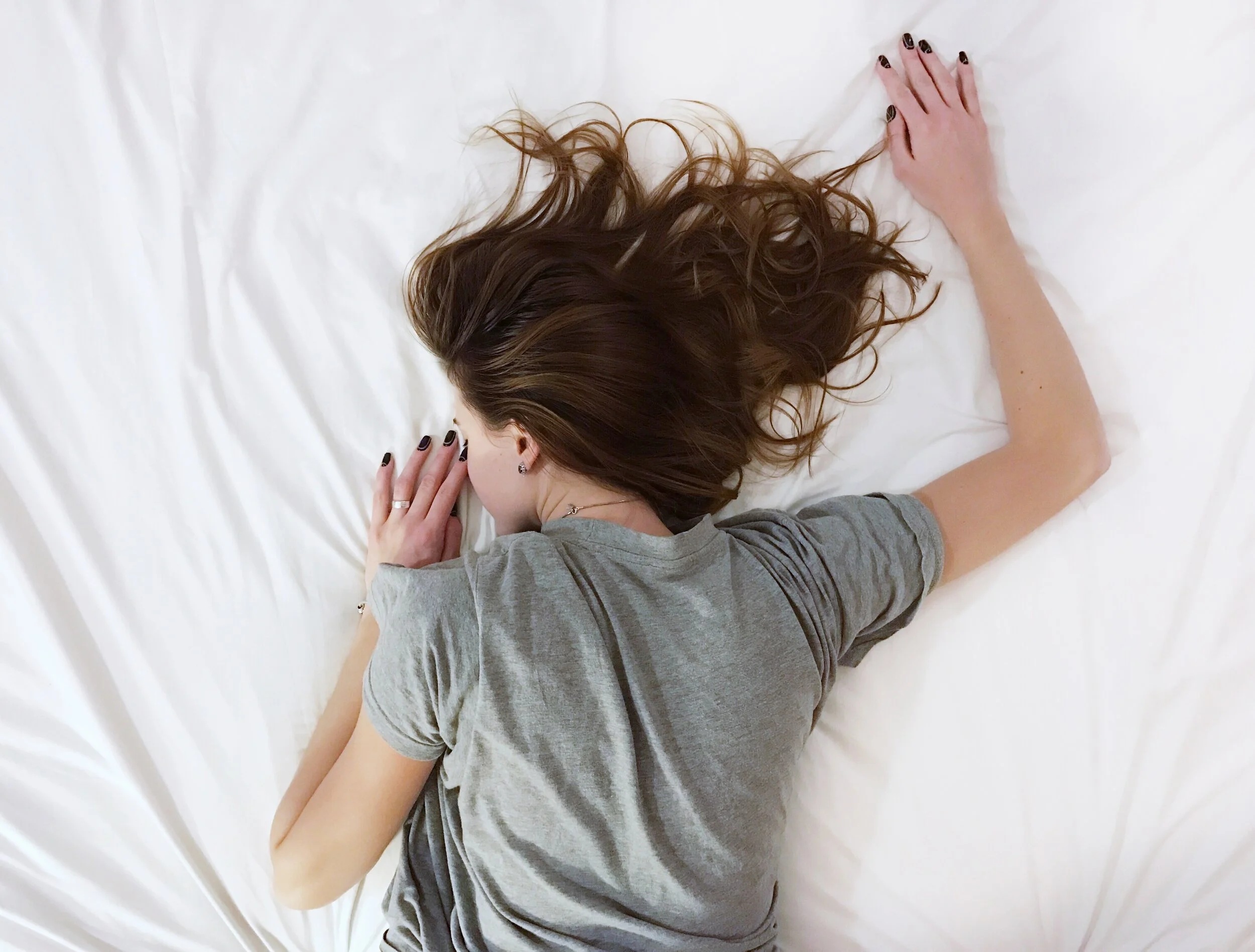
40% of Americans say they wake up 1-3 times/week feeling poorly rested. An additional 38% say they're poorly rested >4 days/week.

https://today.yougov.com

As “lack of energy” expands from fictional idea to a recognized health disorder, greater attention to our animating force or energy system is warranted. Fifty years ago, chronic fatigue syndrome was virtually unheard-of. Today, a growing number of individuals are being identified as having chronic fatigue syndrome, an illness that includes profound fatigue lasting >6 months, cognitive impairment and total exhaustion after even minor exertion. The Institute of Medicine now estimates between 836,000 and 2.5 million Americans suffer from this syndrome, which is in addition to the subset of the population who reported significant fatigue at least four days/week, a massive 38% of American adults. 

Within traditional Chinese medicine, the greater the energy or Qi circulating in the body, the healthier we feel. Abundant energy is experienced when organs are functioning optimally, flexibility is felt in the muscles and joints and emotions are balanced, being both experienced and released. When there is a loss of internal energy, we experience increasing levels of fatigue, tension, slowed metabolism and our ability to easily navigate emotions decreases – all signs of depletion, signaling the need to replenish internal energy.

Quantum physics describes energy as the nature of the universe, but even physicists cannot fully define energy. We can allude to it, we can experience it, we are beginning to be able to measure it, but for some, energy sits just beyond our greatest mental conceptualization. Instinctively we know the more energy or Qi we have, the better we feel. Nature pulses with energy. Abundant Qi is not something we need to create or even understand – it is always there, with a desire to flow, to express itself through creativity and abundance. In the end, do we truly need to know exactlywhat Qi is? Just as we are not required to be a rocket scientist to appreciate the full impact of gravity, nor do we need to a cardiologist, with full understanding of cardiac function, to experience the benefits of exercise. 

Qigong helps us tap into the abundant energy that is all around and to cultivate Qi from within. When energy is internally cultivated and allowed to freely flow, our internal reserve becomes self-sustaining. Unlike a cup of coffee or other chemical stimulants, cultivated energy comes directly from the source and enhances internal balance, strength and vitality. By cultivating internal energy, we can more easily enjoy the world without chasing after the next external “pick me up.”

There are many effective strategies to help mitigate the effects of stress: meditation, yoga, reading, spending time in nature and journaling. Another approach, which is not as well-known in the Midwest, is balancing your body’s energy system. 


IMG_3223.PNG

Feng Xie

Spring it in the air! It feels long overdue in the Midwest, where winters are both frigid and dark. With tulips and daffodils slowly making an appearance, the fragrance of apple blossoms and the trees moving quickly from bud to leaf, the seasonal energy is fresh, new and uplifting. Unfortunately, what makes spring so beautiful for many also leads to misery for those who suffer from symptoms of seasonal allergies. According to ACAII, seasonal allergies affect an estimated 40 to 60 million people each year.

When a person inhales the trigger allergen, the body’s immune system reacts with the following symptoms (ordered by frequency):

  • Stuffy nose due to blockage or congestion

  • Itching, usually in the nose, mouth, eyes, or throat·      

  • Puffy, swollen eyelids 

  • Sneezing

  • Cough

Record snowfall years are often associated with hightened springtime allergies; a good predictor to take into consideration. If spring is just hitting in your area, or if you are currently in the middle of the “pollenpocalypse,” these simple exercises will get your energy flowing, settle your overactive immune response and relieve symptoms including headaches, dizziness, congestion and insomnia.

In Traditional Chinese Medicine (TCM), the Spring season is governed by the Wood element and arrives on the Wind. TCM has long held the belief that Wind is considered the primary disrupter of one’s health and the precursor to the “100 diseases”, being associated with acute diseases like colds, flus AND seasonal allergies.


“Diseases develop from Wind.”

~Huangdi Neijing, ancient Chinese medical text


The presence of a Wind weakens the system, making the body more susceptible. Given Wind is “light and airy”, the Huangdi Neijing notes “the damage inflicted by Wind affects primarily the top” [of the body], especially the face, skin, sweat glands and lungs. When the body’s defensive capabilities are weakened, a mismatch in the opening and the closing of the pores is created, resulting in the invasion of pathogenic factors causing disease(s) // symptom(s) such as headache, nasal obstruction, painful or itchy throat, facial edema, abnormal aversion to wind and/or perspiration.”1

Within TCM, this bodily influence from the environment is also referred to as Feng Xie, pernicious influence and (my personal favorite!) the 5 influence devils. External wind and Internal wind are the two pathological Winds. External wind is the focus of this post and is equated with the season of Spring, comes from outside and enters the body through unbalanced or vulnerable meridian acupoints. When the Wind comes in contact with these points, they become portals where your vital life energy flows out and the mischievous effects of the external environment flood in. Conditions arising from this state are acute and common, including: influenza, sinus infection, skin eruption(s), sore throat, rash, cough and eye disorders. 

Along with introducing a topic that is quite unheard of in western medicine (that a force from the outdoor environment can carry various types of external energies into the body including, dampness, dryness, coldness and heat), TCM provides guidance on common Wind entry points. Fortunately, these points can be used within the Eden Method, allowing you to not only assess but also balance important points without the use of acupuncture needles! In addition, there are several acupoints that are well known for clearing energetic residue (liver, lung, large intestine), which are included in this acupoint protocol.  


“When my son was young, we made annual trips to Florida to visit family. We always stopped at Miami Beach for a bit of sun and sand. It was usually quite windy and when we’d return to the house in the afternoon, my son would spike a fever and get colicky. Every. Single. Time.

His body was trying to communicate the energetic imbalance, but at the time I was unaware of the concept of Wind Points and was unable to interpret the message.”


Pause to Calm Flight-Flight-Freeze 

Before addressing the Wind and clearing acupoints, it’s critical to STOP the runaway train! When the body is experiencing any type of invasion / symptoms, triple warmer (your body protector) gets over-activated and in turn, spleen becomes depleted.

Triple Warmer Trace Backwards.png
  1. First, calm triple warmer meridian, by releasing excess energy. Begin by tracing your fingers from the inside of the eyebrow, over the top of the eyebrow to the opening of the ear, up and over the ear and smooth down the neck to your shoulders. Give your shoulders a firm squeeze.

  2. Second, strengthen spleen meridian by either rubbing the spleen neurolymphatic points on the sides of the body, located ~5 inches below the arm pit atop of the ribcage (see diagram below). Or, practicing the Triple Warmer Smoothie exercise.

  3. If these techniques are new to you, take a look at this blog post to learn more.


Point Locations + Energy Balancing:

Governing meridian runs up the spine and therefore has just a single point (see points denoted in white on diagram). All other meridians in this protocol run on both sides of the body or bilaterally (see points denoted in black on diagram). 

One by one, locate each point. Using firm pressure rub each point to stimulate the area for 4-5 seconds. Once the point is stimulated, slowly trace several figure 8’s over the point(s).

  • Lung 7 ‘Broken Sequence’ – Located in the inside of the arm, 2 finger widths above the wrist crease, over the radius bone and in line with the pointer finger

  • Large Intestine 4 ‘Union Valley‘ – Located in the webbing on the back of the hand, between the thumb and index finger. *DO NOT STIMULATE THIS POINT IF PREGNANT*

  • Governing 20 ‘Hundred Convergences’– Located at the top, center of the skull

  • Triple Warmer 17 ‘Shielding Wind’– Located bilaterally behind the ear lobes, on the mastoid bone

  • Governing 16 ‘Wind Palace’ – Located in the hallow where the top of the spine joins the skull

  • Gallbladder 20 ‘Wind Pool’– Located on each side of the spine, just below the occipital bone

  • Gallbladder 21 ‘Should Well’– Located bilaterally above the clavicle in the trapezius muscle (where the neck meets the shoulder)

  • Governing 14 ‘Great Hammer’ – Located in the base of the cervical spine (C7)

  • Bladder 12 ‘Wind Gate’ – Located on each side of the spine, at the top level of the thoracic spine (T1)

  • Bladder 40 ‘Bend Middle’ – Located bilaterally just behind the knees, in the leg crease

  • Liver 3 ‘Great Rushing’– Located bilaterally on the top of the foot, in the depression about one thumb-breadth from the edge of the webbing between the first and second toes 

If you are familiar with energy testing you can energy localize each point and test to see if it shows up strong or weak. If you are unfamiliar with energy testing, a good indicator for assessing the health of any acupoint is tenderness or palpable congestion. Another indicator specific to Wind Points is when just being in the wind causes discomfort or immediate symptoms. When in doubt, simply rebalance all points! This 11-point sequence takes about a minute to complete and you can never “over-do” energy balancing! Continue correcting several times per day for 3-5 days or until any symptoms have resolved. And, once you’ve infused your body and Wind Points with greater energetic vitality, get outside (barefoot of course!) and enjoy having Spring in the air!

Wind Points.png

Own Your Wellness!

ENERGY BALANCING FOR SEASONAL ALLERGIES

Heart Centered

When we hear the phrase “the heart remembers” most conjure images of romance novels, flowery poetry or earnest but flawed chick flicks. What doesn’t usually come to mind are the basic biological principles of the body. The heart does remember, along with learning and making independent decisions, using mechanisms similar to other organ systems – the brain, the gastrointestinal tract and the immune system. Beyond cellular memory, the heart shares a second trait with the brain: it generates a powerful electromagnetic field, one that is 60 times greater in amplitude (measured via ECG/EEG respectively).

Screen Shot 2020-02-14 at 12.11.22 PM.png

The heart’s magnetic field, which is the strongest rhythmic field produced by the human body, not only envelopes every cell of the body, but also extends out in all directions into the space around us. The heart’s magnetic field can be measured several feet away from the body by sensitive magnetometers.

The significant difference between electromagnetic field size of the brain vs. the heart begs the questions – should we be following the advice of our heads or hearts? Additionally, if the heart ‘remembers,’ how do life events and emotions impact heart health?


In recent years, science has begun to uncover the effect the heart has on both physical and spiritual health – and it is far more ‘energetic’ than previously acknowledged in western medicine. Broken heart syndrome, also called stress-induced cardiomyopathy or takotsubo cardiomyopathy, is a real diagnosis. An individual suffering from broken heart syndrome presents with symptoms similar to heart attack, including shortness of breath and chest pain. While heart attack is generally caused by a complete or near complete blockage of a heart artery, in broken heart syndrome the heart arteries are not blocked. Although blood flow in the arteries of the heart may be reduced, the condition is often preceded by an intense emotional event:

  • The death of a loved one

  • A frightening medical diagnosis

  • Domestic abuse

  • Losing — or even winning — a lot of money

  • Strong arguments

  • A surprise party

  • Public speaking

  • Job loss or financial difficulty

  • Divorce


Traditionally, the study of communication pathways between the head and heart has been approached from a rather one-sided perspective, with scientists focusing primarily on the heart’s responses to the brain’s commands. Emerging science has demonstrated that communication between the heart and brain is actually a dynamic, ongoing, two-way dialogue, with each organ continually influencing the other’s function. In fact, researchers have discovered the heart communicates to the brain via four distinct means. Communication along all these conduits significantly affects the brain’s activity and the messages the heart sends to the brain can also affect human performance.

Screen Shot 2020-02-14 at 12.27.31 PM.png
  • neurologically — through the transmission of nerve impulses

  • biochemically — via hormones and neurotransmitters

  • biophysically — through specified pressure waves

  • energetically — through electromagnetic field interactions


As far back as the middle of the 1800s, it was recognized that the heart, overtaxed by constant emotional influences and thus deprived of its appropriate rest, suffers disorders of function and becomes vulnerable to disease, which takes us full circle to broken heart syndrome. From a psychophysiological perspective, emotions are central to the experience of dis-ease. On a near daily basis new research is published, highlighting how stress and negative emotion increases disease severity and worsens prognosis for individuals suffering from a range of diseases or conditions. In contract, there is a growing base of evidence supporting how positive emotion and effective emotional self-regulation can prolong health and significantly reduce premature mortality.

The graphs below show the average power spectra of 12 individual 10-second epochs of ECG data, each reflecting heart-field energetic patterns of emotion, comparing appreciation to anger.

Screen Shot 2020-02-14 at 12.49.56 PM.png

The difference in the patterns and thus the information they contain, can be clearly identified. Given every cell in the body is bathed in the invisible energetic frequency, it becomes strikingly clear that we must demote our brains and start living from our hearts.


“We are so used to letting our heads be in charge of our lives that when we start reacting with our hearts instead, it feels like a miracle, like a whole new existence. And it is! The heart is the center of our body's universe and the center of our feelings. This is as it should be. Your head is way off at the edge of your body. You can't balance when you are living from there. Your head isn't grounded in the reality of your body. Let your heart be the center and watch your whole life transform.” ~Dr. Suzanne Steinbaum, Cardiologist


Every aspect of our lives will influence our hearts. The word healing comes from the Old English word haelan meaning “whole” and thus signifies the process of becoming more whole. And so the question becomes – are you ready to step toward wholeness? To figure out exactly who you are, knowing what makes you happy, knowing your strengths and weaknesses and understanding that while you are not perfect, you can be as perfect as possible? Are you ready to empower yourself with your own personal heart handbook? Are you ready to take over the wheel of your life, to be in the driver's seat, to propel yourself forward toward greater self-care, self-awareness and wholeness?

Energy healing and Qigong are such powerful practices for supporting you in coming home to your heart, connecting in a more profound way with your true Self and moving toward wholeness. While scientific validation is demonstrating what so many of us have witnessed or intuitively recognized, no amount of research will ever surpass personal experience! And do not dismiss the potency, if after one application you do not notice an astonishing, long-lasting change. Just as you cannot control high blood pressure with a single dose of medication, it takes time and consistency to get your body, and ultimately your energies, reorganized.

For those who are interested in starting or continuing to build your energy healing tool box, take a moment to practice these three easy and effective heart balancing exercises.

It was when I stopped searching for home within others
and lifted the foundations of home within myself
I found there were no roots more intimate
than those between a mind and body
that have decided to be whole.
— Rupi Kaur